
Safeguarding the Vulnerable: Why Canadian Churches Must Prioritize Abuse Prevention

Having worked with churches, charities and not-for-profits in Senior Executive & risk management roles for most of her career, Melodie launched Plan to Protect®, Inc. fifteen years ago with a desire to raise the bar on safeguarding the vulnerable sector. She accomplishes this through consulting and training and providing leaders with the tools, training and momentum needed to accomplish their vision and goals while safeguarding the mission of the organization and their people. Melodie is an author of numerous books and journal articles, her most recent book is the 2022 version of Plan to Protect® A Safeguarding Guide for children, youth and adults. As a Victim-Advocate, Melodie is committed to giving voice to victim-survivors of abuse as she stewards the disclosures and stories of abuse on behalf of clients. In 2022, Melodie received her doctorate at the University of Toronto. The focus of her thesis was on nurturing the spiritual healing of victim-survivors of abuse.
In recent years, the Canadian Church has come under increased scrutiny regarding its response to allegations of child abuse and clergy sexual misconduct. These incidents are not only morally reprehensible and spiritually devastating—they also carry serious legal and financial implications. Churches are entrusted with the care of the most vulnerable among us. To honour that trust and walk in obedience to Christ, it is imperative that churches in Canada implement strong safeguarding protocols.
A Sobering Case Study
Consider the case of Father Brian Boucher in Montréal, Québec. In 2019, Boucher was sentenced to eight years in prison for sexually abusing boys over a span of 20 years. Reports indicated that concerns had been raised to church authorities on multiple occasions, but no decisive action was taken until many years later. The case not only highlighted failures in internal accountability but also underscored the lifelong trauma victims suffer. Civil lawsuits followed, and the Church’s credibility was severely damaged. This is just one of many examples where the absence of proper safeguards allowed abuse to persist unchecked.
A Biblical Mandate
Scripture offers clear instruction regarding our responsibility to protect the vulnerable. Jesus’ words in Matthew 18:6 are stark: “If anyone causes one of these little ones—those who believe in me—to stumble, it would be better for them to have a large millstone hung around their neck and to be drowned in the depths of the sea.” The Church is called to be a sanctuary, not a place of harm.
In Micah 6:8, believers are reminded to “act justly and to love mercy and to walk humbly with your God.” Justice includes protecting children, reporting wrongdoing, and establishing structures that prevent harm. Safeguarding is not just a legal obligation—it is a spiritual responsibility.
Legal and Insurance Responsibilities
Canadian law requires the mandatory reporting of suspected child abuse. Every adult in Canada, particularly those in positions of trust, must report reasonable suspicions to child protection authorities. This duty overrides confidentiality agreements and organisational hierarchies. Churches that fail to report abuse can be held legally liable.
Insurance companies are increasingly requiring churches to meet stringent abuse prevention standards before providing coverage for abuse claims. Since 1996 insurance companies in Canada have adopted an exclusion clause for abuse coverage. Failure to comply to the following standards limit a church’s ability to qualify for abuse coverage and may result in denied claims or the loss of coverage altogether. Insurers demand evidence of:
- Documented safeguarding policies
- Clear definitions of abuse and the various categories of abuse and maltreatment
- Comprehensive screening, including background checks for all staff and volunteers
- Initial orientation and annual refresher abuse prevention training
- Appropriate protocols and procedures for supervision and interaction with the vulnerable sector
- Premises modified to mitigate the risk of abuse
- Compliance with legal requirements for reporting and responding to allegations and disclosures of abuse
Creating a Culture of Protection
Safeguarding is not simply about policies—it is about creating a culture where abuse is neither tolerated nor concealed. This includes empowering victims to speak up, encouraging bystanders to report concerns, and training leaders to respond with trauma-informed compassion and resolve.
Pastors and boards must take proactive leadership in prioritising protection, not just as a risk management strategy but as a gospel imperative. Abuse prevention is an act of love, justice, and obedience to Christ.
Help Is Available
The good news is that churches do not have to navigate these challenges alone. Trusted organisations exist to equip churches with the tools, policies, training, and support needed to achieve a high standard of protection. Partnering with experts who understand legal obligations, insurance requirements, and biblical principles ensures that your church can create a safe environment while staying compliant and proactive. Collaboration with safeguarding professionals helps lighten the load and build confidence in your ministry’s ability to protect those in its care. It will also help churches stay abreast of the ever changing standard of care, expected of churches.
Conclusion
Canadian churches must do more than hope that abuse won’t happen—they must actively work to ensure it doesn’t. By implementing strong safeguarding protocols, meeting legal and insurance requirements, and adopting the high standards noted above, churches demonstrate a commitment to protecting the vulnerable and honouring God’s call to shepherd His people faithfully.
This article was written by Dr. Melodie Bissell, Chair and Sr. Safeguarding Consultant at Plan to Protect®. Visit Plan to Protect® on the web at www.plantoprotect.com
- Careful Grace: Integrating Offenders and Violent Criminals into Church
 One of the most frequent questions we receive from churches and ministry leaders is about integrating offenders into church. They wonder “Should we do it,” and “What are best practices as we carefully consider protection and stewardship.” We as pastors and ministry leaders know first hand that God is in the business of changing lives. No one, not even the worst of society’s criminals and offenders, is too far from the grace of God and the gospel. We know that the Lord can work in anyone’s life to bring redemption and salvation.
 - Fortify Initiative equips church leaders to protect, even as they build
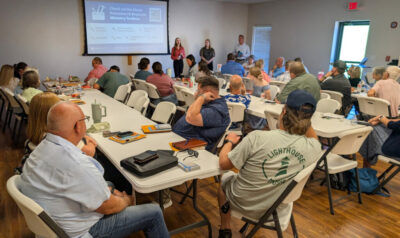 SPRINGFIELD, Tenn. – The Scripture verse printed on the front of a resource from the Fortify Initiative may not seem the most obvious choice for an effort focused on protecting the vulnerable. One might expect a verse about children or sheep. But the verse for Fortify is Nehemiah 4:17-18, which says that the men rebuilding Jerusalem’s walls carried their building materials in one hand and a weapon in the other. Verse 18 says, “Each of the builders had his sword strapped around his waist while he was building. …”
 - Practical virtual trainings help churches strengthen abuse prevention
 Abuse prevention in ministry can feel overwhelming, but free online webinars offered by the Southern Baptist Convention (SBC) Virtual Training Institute and MinistrySafe break complex safeguarding concepts into clear, actionable steps church leaders can implement today. The SBC Virtual Training Institute offers ministry leaders free, practical training designed to strengthen churches in safety, care, and responsible leadership.
 - Advising on Whether to Limit Liability or Care for Victims
 While abuse of a child by an adult is terrible, it’s usually straightforward to evaluate what is happening. But what about sexual misconduct between children? Is it always abuse? No. Is it always illegal? No. And what should we do about it? The impact on children’s lives is not measured by whether the actions are abuse or a crime—so we must take it seriously.[1] As we evaluate how to respond, it may help to use as an example several common situations. We’ll take the perspective of behavior that is discovered by a church or ministry, but parents will also have to evaluate situations they uncover.
 - ‘Don’t Leave Here and Do Nothing’: SBC Panel Calls Churches to Act on Child Exploitation
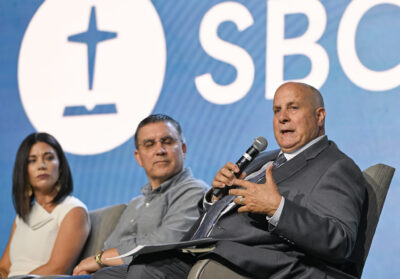 State and federal officials, survivors, and ministry leaders gathered at the 2026 SBC Annual Meeting to move Southern Baptist churches from awareness to action on child abuse, sexual exploitation, and human trafficking. She was going to church the entire time it was happening. That was the disclosure Olivia Littleton, senior director of Survivor Services for One More Child, made to a room full of Southern Baptist pastors and ministry leaders at the 2026 SBC Annual Meeting. A survivor of sexual exploitation herself, Littleton made the point with quiet precision: the children the Church is trying to protect may already be sitting in its pews.