
About Abuse
The Problem of Abuse
1 in 4 girls and 1 in 20 boys are sexually abused before they turn 181
1 in 7 children experiences child abuse or neglect each year.2
Over half of women and almost 1 in 3 men experience sexual violence involving physical contact at some point in their lives.3
Tragically, the true rates of abuse are likely higher than statistics reflect because most abuse goes unreported. Out of every 1,000 incidents of sexual abuse, only 25 abusers ever face incarceration.4
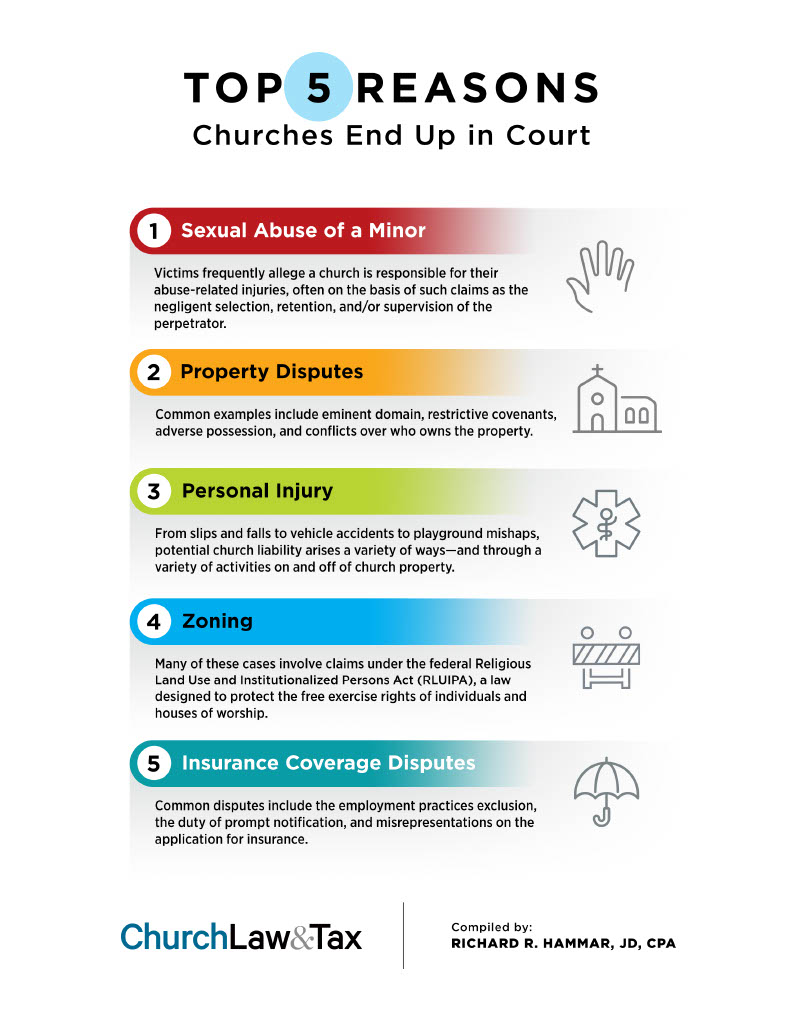
The church is not immune to the wickedness of abuse. Lifeway Research found that 12% of protestant churchgoers know someone at their church who has experienced rape or attempted rape as an adult.5 According to Church Law & Tax, sexual abuse of a minor is the top reason churches end up in court.
Abusers target churches to gain easy access to children in a trusting environment. About 90% of sexual crimes against children are perpetrated by someone known to the child.6
Definitions
Sexual Abuse
According to the World Health Organization, sexual abuse is the actual or threatened physical intrusion of a sexual nature, whether by force or under unequal or coercive conditions.7
Child Sexual Abuse
Child sexual abuse is any sexual activity with a child. This can involve sexual contact, such as intentional sexual touching, oral-genital contact or intercourse. This can also involve non-contact sexual abuse of a child, such as exposing a child to sexual activity or pornography; observing or filming a child in a sexual manner; sexual harassment of a child; or prostitution of a child, including sex trafficking.8 State laws typically define this term similarly.
Child Physical Abuse
Physical child abuse occurs when a child is purposely physically injured or put at risk of harm by another person.9 A non-accidental physical injury does not include appropriate medical care, appropriate restraints, or appropriate discipline.
Child Neglect
Child neglect is failure to provide adequate food, clothing, shelter, clean living conditions, affection, supervision, education, or dental or medical care.10
Grooming
Grooming is the intentional process of building a relationship with a child or a vulnerable adult with the goal of manipulation, exploitation, or abuse.11
Common Signs of Abuse
Here are some signs that you may observe in a child that may indicate they are experiencing abuse. Every person who works with children or vulnerable adults in your ministry and everyone who is serving in a leadership role at your ministry should know these basic signs of abuse.
- Bruising and other physical injuries
- Pain, itching, and/or bleeding in the genital/private areas
- Sexually transmitted infections
- A marked or sudden change in the child’s general behavior
- Discomfort sitting, walking, or using the toilet.
- New development of bathroom accidents
- A sudden change in dress
- Changes in eating habits, avoiding food
- Sexualized drawings, play, or language
- Unexpected or new fear of adults
- Description of secrets or special attention from an individual
- Inappropriate or outsized emotional responses
- Hiding their phone and other devices
These are some of the most common indicators that abuse is taking place, but this list is not exhaustive. It is also important to note that in some cases, these signs may be caused by a child’s struggle with a family or personal issue, but do not necessarily indicate abuse or criminal activity is taking place. However, when multiple indicators are present that cannot be explained, it may be cause to suspect abuse.
Boundary-Pushing and Grooming Behavior
Here are some behaviors that a groomer may exhibit as they attempt to gain access to children, win trust of the community, or isolate and control a victim.
- Inappropriate or extravagant gifts or special attention
- Attempts to get a child alone
- Repeated offers to serve only in a particular class or with a particular child
- Excessive physical touch of a child
- Repeated “accidental” touch
- Repeated “minor” policy violations
- Helping a child break rules
- Keeping secrets with a child
- Shaming or blaming a child, manipulating them to blame themselves for the situation
- Inappropriate communication with a child in person, by phone, or online
- Inappropriate talk that is increasingly sexual
- Isolating the child from friends and trusted adults
Remember, there is no single profile for sexual offenders. We can’t discern a person’s intentions – but what we can do is recognize concerning behavior and consistently enforce appropriate boundaries.
State Law Resource
Use this resource to find the laws in your state related to abuse like mandatory reporting, grooming, clergy sexual misconduct, etc.
1Finkelhor, D., Ph.D, Shattuck, A., M.A, Turner, H. A., Ph.D, & Hamby, S. L., Ph.D. (2014). The lifetime prevalence of child sexual abuse and sexual assault assessed in Late adolescence. Journal of Adolescent Health, 55(3), 329-333. https://doi.org/10.1016/j.jadohealth.2013.12.026
2Finkelhor, D., Turner, H. A., Shattuck, A., & Hamby, S. L. (2015). Prevalence of childhood exposure to violence, crime, and abuse: Results from the national survey of Children’s exposure to violence. JAMA Pediatrics, 169(8), 746-754. https://doi.org/10.1001/jamapediatrics.2015.0676; https://www.cdc.gov/child-abuse-neglect/about/index.html
3https://www.cdc.gov/sexual-violence/about/index.html
4https://rainn.org/statistics/criminal-justice-system
5Lifeway Research 2019 study: Sexual Misconduct and Churchgoers
6 Department of Justice Bureau of Justice Statistics report: Sexual Assault of Young children as Reported to Law Enforcement
7 World Health Organization
8 https://www.mayoclinic.org/diseases-conditions/child-abuse/symptoms-cau ses/syc-20370864
9 https://www.mayoclinic.org/diseases-conditions/child-abuse/symptoms-cau ses/syc-20370864
10 https://www.mayoclinic.org/diseases-conditions/child-abuse/symptoms-cau ses/syc-20370864
11https://health.clevelandclinic.org/what-is-grooming