
From Scramble to Strategy: How Southern Baptist Churches can Pre-Game a PR Crisis

Born and raised in Central Florida, Robbie Harper is a sixth-generation Floridian and the founder of Blue Bridge PR, a firm dedicated to helping Christian businesses and nonprofits communicate with clarity, build trust, and strengthen their reputation. A graduate of Stetson University with both a bachelor’s degree and an MBA, Robbie began his PR career as a senior account executive representing large corporate law firms, securing national media coverage. In 2015, he launched Blue Bridge PR to serve leaders—especially faith-driven organizations—who want to be trusted voices in their communities. His work has earned national placements, including Forbes and The Wall Street Journal, and focuses on media relations, thought leadership and crisis communication planning. Robbie is active at Stetson Baptist Church in DeLand, Florida, where his wife, Nicole, serves as children’s minister. They live in DeLand with their three children.
When misconduct allegations surface, the clock starts ticking. Phones buzz, social media erupts, and the very people a congregation longs to protect begin asking hard questions. In those first frantic minutes, improvisation invites confusion; preparation invites clarity. Our churches—already under a media microscope for their handling of abuse—must have a plan in place long before a pastor’s phone lights up at midnight, even if the allegations are false.
Start With an Honest Risk Audit
Begin by tracing every doorway that leads adults to minors. List each ministry, volunteer role, and physical space, then match that map against the policies you think you follow. Gaps appear quickly: outdated background checks, lapsed training records, unattended classrooms. Document those gaps now, while nobody’s panicking, and set realistic timelines to close them.
Build a Lean Communications Team
One voice, two backups—that’s it. Whether it’s the senior pastor, a communications director, or an elder trained in trauma care, pick a spokesperson who can balance pastoral warmth with legal precision. Publish this chain of command internally so volunteers know exactly where to send reporters or distraught parents. Nothing derails a response faster than contradicting statements from well-meaning staff.
Pre-Write Your Core Messages
Crisis statements should never be drafted in a crisis. Write a handful of succinct, factual paragraphs today that address three audiences:
- Parents of minors who need immediate reassurance and action steps.
- The congregation at large, hungry for transparency and theological framing.
- The media, focused on timeline, safeguards, and law-enforcement cooperation.
While the details will change, the backbone remains: acknowledge the report, state your commitment to protecting the vulnerable, explain current safeguards, outline next steps, and defer investigative specifics to authorities. Store these drafts—along with contact info for local law enforcement and child-advocacy centers—in both printed form and a cloud folder accessible from any device.
Lock Down Your Channels
Decide now where each message will appear. Draft email templates, tag parent phone lists, ready social posts in “draft” mode, and keep a simple press-statement document handy. Confirm admins for every account and enable two-factor authentication; the last thing you need is a hacked Facebook page in the middle of a crisis.
Practice Like It’s Real
A plan untested is a plan untrusted. At least once a year, run a tabletop drill: simulate an allegation, walk through phone trees, read the holding statement aloud, and time how long it takes to alert parents. Afterward, debrief—what felt clunky, who got skipped, which email bounced? Update the playbook and repeat until the response becomes muscle memory.
Keep the Focus on Victims
Policies and press releases matter, but pastoral care matters more. Line up licensed counselors you can call at a moment’s notice. Draft a checklist that prioritizes safety, reporting, and long-term support for anyone harmed. Communicate those care pathways as clearly as you share investigative updates.
Review and Refresh
Laws change, leaders move, new ministries launch. Mark your calendar for an annual policy review—preferably before the busy fall season—and invite an outside expert to critique your plan. Fresh eyes prevent blind spots from becoming headlines.
Preparation isn’t pessimism; it’s stewardship. By auditing risks, clarifying voices, pre-writing messages, securing channels, and rehearsing regularly, Southern Baptist churches can respond to allegations of abuse with integrity, compassion, and credibility—protecting the vulnerable and preserving the witness of the gospel when it matters most.
- Careful Grace: Integrating Offenders and Violent Criminals into Church
 One of the most frequent questions we receive from churches and ministry leaders is about integrating offenders into church. They wonder “Should we do it,” and “What are best practices as we carefully consider protection and stewardship.” We as pastors and ministry leaders know first hand that God is in the business of changing lives. No one, not even the worst of society’s criminals and offenders, is too far from the grace of God and the gospel. We know that the Lord can work in anyone’s life to bring redemption and salvation.
 - Fortify Initiative equips church leaders to protect, even as they build
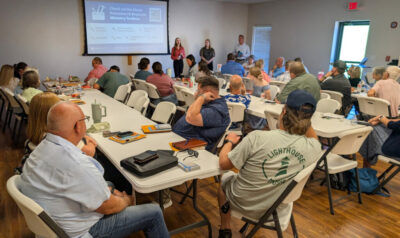 SPRINGFIELD, Tenn. – The Scripture verse printed on the front of a resource from the Fortify Initiative may not seem the most obvious choice for an effort focused on protecting the vulnerable. One might expect a verse about children or sheep. But the verse for Fortify is Nehemiah 4:17-18, which says that the men rebuilding Jerusalem’s walls carried their building materials in one hand and a weapon in the other. Verse 18 says, “Each of the builders had his sword strapped around his waist while he was building. …”
 - Practical virtual trainings help churches strengthen abuse prevention
 Abuse prevention in ministry can feel overwhelming, but free online webinars offered by the Southern Baptist Convention (SBC) Virtual Training Institute and MinistrySafe break complex safeguarding concepts into clear, actionable steps church leaders can implement today. The SBC Virtual Training Institute offers ministry leaders free, practical training designed to strengthen churches in safety, care, and responsible leadership.