
Practical virtual trainings help churches strengthen abuse prevention
Abuse prevention in ministry can feel overwhelming, but free online webinars offered by the Southern Baptist Convention (SBC) Virtual Training Institute and MinistrySafe break complex safeguarding concepts into clear, actionable steps church leaders can implement today.
Virtual Training Institute
The SBC Virtual Training Institute offers ministry leaders free, practical training designed to strengthen churches in safety, care, and responsible leadership. Each webinar requires registration, and recordings are archived on the organization’s website following the live event, allowing leaders to watch at their convenience.
The Virtual Training Institute’s 2026-2027 Season Launches this month, August 2026!
See all schedule sessions here!
This season’s topics will include Discipleship-First Church Security, Christian Conciliation in Abuse Situations, Child Safety for Camps, Retreats, and Overnight Activities, Equipping Kids with Safety Skills, and more.
Jeff Dalrymple, director of Abuse Prevention and Response for the Southern Baptist Convention Executive Committee, said The Essentials 2.0 is core material for the trainings offered by the Virtual Training Institute. “That’s the architecture, the blueprints, for church leadership to develop a safeguarding system that protects kids and vulnerable adults,” he said.
Concepts covered include screening, training, supervision, appointing a local champion such as a child safety coordinator, and creating a response plan before any allegation arises. Dalrymple emphasized that virtual trainings allow leaders to explore topics at their own pace. “You can take on a certain topic based on your interest or your needs,” he said.
Emily Smith, Abuse Prevention and Response consultant for Arkansas Baptists, highlighted the accessibility and scheduling of the Virtual Training Institute and the focus on specific areas of abuse prevention and response.
“It homes in on a specific area in some of the hot topics that we’re facing now,” Smith said, adding that the webinars break down complex issues into actionable pieces, such as recognizing grooming, caring for those impacted by trauma, creating a response plan, or stepping into the child safety coordinator role.
All sessions are offered live, with recordings available afterward. To view upcoming Virtual Training Institute events, click here.
MinistrySafe
Separate from the Virtual Training Institute, MinistrySafe launched a new 2026 initiative, The Journey to a Safer Ministry webinar series. This monthly, one-hour series is designed to make child protection and abuse prevention guidance broadly accessible to ministry leaders. The series is led by Kimberlee Norris and Gregory Love, drawing from their legal work and experience advising organizations on prevention.
Norris, MinistrySafe co-founder and 34-year attorney addressing Child Sexual Abuse (CSA) issues, emphasized the church’s vulnerability and the importance of training.
“In our experience, the Church remains one of the ‘easy ins’ in the United States for sexual abusers looking for easy access to children. Abusers look for programs where the access to entry is more lax, where preventative protocols are limited. The church tends to be heavily volunteer driven, grace-based, ‘come as you are,’ ‘there are no perfect people;’ where we tend to think the best of people. This makes us a target for abusers who gravitate toward career or volunteer opportunities offering positions of trust serving children,” she said.
“These webinars are intended to equip ministry leaders with accurate information about child sexual abuse, sexual abusers and effective abuse prevention for the church, without throwing the baby out with the bath water. Lack of effective child protection can negatively impact and even destroy the mission of any ministry, regardless of size or scope.”
Sessions are offered live, with recordings available afterward, and registration is required. Upcoming trainings can be found here.
Practical Training for Every Church
Dalrymple and Smith both emphasized that these targeted virtual trainings supplement foundational safeguarding resources, allowing ministry leaders to focus on specific topics relevant to their context.
“It provides a really good supplement to the overall concepts,” Dalrymple said. Smith added that the webinars are valuable for any size church and “can aid in helping minimize the risk of abuse that we face in our culture today.”
Together, the Virtual Training Institute and the MinistrySafe webinar series provide ongoing, practical training to equip ministry leaders, strengthen prevention efforts, improve response planning, and foster safer church environments.
Additional Abuse Prevention + Response resources are available on the Arkansas Baptists website at absc.org/apr.
This article was originally published by the Arkansas Baptist convention here and has been reposted here with persmission.
- Practical virtual trainings help churches strengthen abuse prevention
 While abuse of a child by an adult is terrible, it’s usually straightforward to evaluate what is happening. But what about sexual misconduct between children? Is it always abuse? No. Is it always illegal? No. And what should we do about it? The impact on children’s lives is not measured by whether the actions are abuse or a crime—so we must take it seriously.[1] As we evaluate how to respond, it may help to use as an example several common situations. We’ll take the perspective of behavior that is discovered by a church or ministry, but parents will also have to evaluate situations they uncover.
 - Advising on Whether to Limit Liability or Care for Victims
 While abuse of a child by an adult is terrible, it’s usually straightforward to evaluate what is happening. But what about sexual misconduct between children? Is it always abuse? No. Is it always illegal? No. And what should we do about it? The impact on children’s lives is not measured by whether the actions are abuse or a crime—so we must take it seriously.[1] As we evaluate how to respond, it may help to use as an example several common situations. We’ll take the perspective of behavior that is discovered by a church or ministry, but parents will also have to evaluate situations they uncover.
 - ‘Don’t Leave Here and Do Nothing’: SBC Panel Calls Churches to Act on Child Exploitation
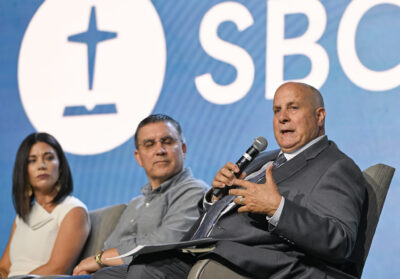 State and federal officials, survivors, and ministry leaders gathered at the 2026 SBC Annual Meeting to move Southern Baptist churches from awareness to action on child abuse, sexual exploitation, and human trafficking. She was going to church the entire time it was happening. That was the disclosure Olivia Littleton, senior director of Survivor Services for One More Child, made to a room full of Southern Baptist pastors and ministry leaders at the 2026 SBC Annual Meeting. A survivor of sexual exploitation herself, Littleton made the point with quiet precision: the children the Church is trying to protect may already be sitting in its pews.