
Insurance and Accountability (Part 2): A Return to the Biblical Principles of Stewardship and Justice

David is executive director of Lockton Ministries, a 35 year old mission-minded and faith based practice group within Lockton Companies. His God-blessed, extensive education and experience in global insurance and risk management solutions has served his clients well. David has written policy, taught policy, and selectively participates as director on the boards of several nonprofits for the last 30 years. He has written or contributed to over 12 articles for various magazines and is a sought after speaker and consultant for organizations like Evangelical Press Association, Cedarville University, Christian Employers Association, Southern Baptist Convention, local churches, long-term care operators, RIMS, podcasters, etc. Prior to his joining Lockton in 2003, David spent 8 years as a risk and finance manager for multinational companies in Ohio, Pennsylvania and California. David has actively served in church operations, missions, and Bible study groups in Pennsylvania, Ohio, and California since giving his life to Christ in 1985. He attended a Christian school in Pennsylvania for 10 years and served in operations at a Christian camp for 12 years. He and his wife Carrie live in Southern California with their two sons who are both attending Cedarville University.
In part one of this two-part series, we discussed the first two of three causes that reveal how we arrived at this crisis. Read Part One here.
The third reason is the erosion of biblical authority—and the neglect of Scripture’s guidance for justice.
When the Bible and prayer were removed from public schools in the early 1960s, secular humanism filled the void. Over time, the influence of Greek philosophy and worldly ideologies seeped back into the church—just as in Paul’s day—lulling believers into thinking life can flourish apart from God’s commands. Ken Ham reminds us that Genesis 1–11 outlines both righteous judgment and the futility of hiding from God. A generation raised without a biblical worldview inevitably produces leaders unprepared to deal with sin, resulting in weak protocols and poor accountability in the church.
Scripture, however, provides clear direction on handling both abuse and false allegations. In Acts 22–26, the Apostle Paul faced multiple unjust accusations that required a legal defense. Joseph’s story before Pharaoh in Genesis 41 [demonstrates] that God’s justice can work through the legal systems of the day. In both Matthew and Luke, the guilty are instructed to offer restitution (Matt. 5:6; Luke 19:8). These teachings underscore the church’s responsibility to pursue justice and repentance under God’s authority. Romans 12:4–5 describes the church as one body, called to grace, love, and discipline.
I witnessed this firsthand in the 1980s when a church of 500 members, a Christian school, and a camp endured a devastating case of youth abuse but ultimately healed through transparent, biblical leadership and preemptive teaching from the pulpit on avoiding sexual sin. Confronting evil openly and trusting God’s sovereignty remains the most effective form of risk management any church can practice.
The Practical Role of Insurance and Accountability
After 30 years of insurance consulting, I can attest that churches must understand how insurance contracts support biblical accountability. Whether addressing valid claims or defending against false accusations, churches need financial resources to act justly. Deuteronomy commands fair judges, Leviticus teaches restitution, and Proverbs condemns cutting corners to save money. Jesus Himself warned that righteousness requires counting the cost (Luke 14:28). For today’s church, funding investigations, legal defense, and restitution isn’t a lack of faith—it is faithful stewardship. The true cost of hiding sin or shirking pulpit responsibility will always exceed the price of transparency and justice. The financial burden of doing what is right is part of genuine repentance and accountability.
Properly structured insurance coverage enforces accountability—it requires prevention training, background checks, and transparency. Churches that follow these best practices rarely hide abuse; they seek truth and pursue restitution because they have both moral and financial preparedness. Conversely as proven, when coverage and controls are lacking, churches often prioritize institutional protection over individual justice, creating conditions ripe for concealment.
Conclusion
Ultimately, churches must return to biblical authority, transparency, and accountability—addressing sin with both spiritual integrity and practical preparation. Only by aligning with God’s Word can the church resist cultural compromise, protect the vulnerable, and reclaim its moral credibility in the face of one of the greatest crises of our age.
- Practical virtual trainings help churches strengthen abuse prevention
 Abuse prevention in ministry can feel overwhelming, but free online webinars offered by the Southern Baptist Convention (SBC) Virtual Training Institute and MinistrySafe break complex safeguarding concepts into clear, actionable steps church leaders can implement today. The SBC Virtual Training Institute offers ministry leaders free, practical training designed to strengthen churches in safety, care, and responsible leadership.
 - Advising on Whether to Limit Liability or Care for Victims
 While abuse of a child by an adult is terrible, it’s usually straightforward to evaluate what is happening. But what about sexual misconduct between children? Is it always abuse? No. Is it always illegal? No. And what should we do about it? The impact on children’s lives is not measured by whether the actions are abuse or a crime—so we must take it seriously.[1] As we evaluate how to respond, it may help to use as an example several common situations. We’ll take the perspective of behavior that is discovered by a church or ministry, but parents will also have to evaluate situations they uncover.
 - ‘Don’t Leave Here and Do Nothing’: SBC Panel Calls Churches to Act on Child Exploitation
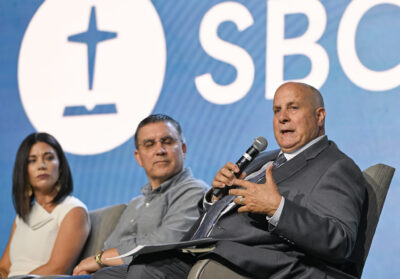 State and federal officials, survivors, and ministry leaders gathered at the 2026 SBC Annual Meeting to move Southern Baptist churches from awareness to action on child abuse, sexual exploitation, and human trafficking. She was going to church the entire time it was happening. That was the disclosure Olivia Littleton, senior director of Survivor Services for One More Child, made to a room full of Southern Baptist pastors and ministry leaders at the 2026 SBC Annual Meeting. A survivor of sexual exploitation herself, Littleton made the point with quiet precision: the children the Church is trying to protect may already be sitting in its pews.