Safeguards for Churches
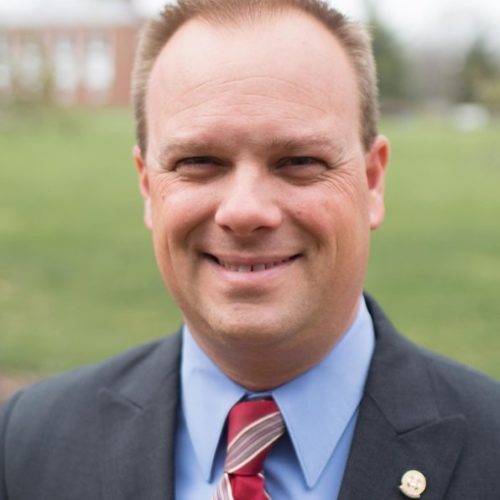
Jeff Dalrymple is currently the Director Abuse Prevention & Response at the SBC Executive Committee. Jeff formerly served as executive director of the Evangelical Council for Abuse Prevention, a national association of Christian ministries committed to child and youth protection. In his role with the SBC Executive Committee, Jeff serves as a catalyst to educate and equip Southern Baptists with abuse prevention and response. Jeff is based in Jacksonville, Florida and is married to his wife Kristil and together they have four children.
Editor’s note: Join the conversation in Dallas for “Safeguarding the Next Generation,” a panel conversation about child and youth protection in both ministry contexts as well as in homes and culture – Monday, June 9, 2 p.m. at the Dallas Omni Hotel’s Trinity Ballroom. Get more information here.
Southern Baptists are a force for good – I have been inspired by Dr. Jeff Iorg’s common refrain as I have traveled with him and met Southern Baptist leaders. For more than 100 years, Southern Baptists have been a force for good throughout the U.S. and around the globe. We could spotlight the work of the North American Mission Board and Send Relief in responding to disasters and the work of International Mission Board missionaries involved in all sorts of mercy ministry in faraway places.
Note this IMB interview with Dr. Tom Hicks: https://www.imb.org/2023/11/21/supporting-baptist-hospitals/
In 1947 the SBC Executive Committee responded to a telegram from community leaders in Jacksonville, Florida, stating the urgent need caused by hospital bed shortages. The Executive Committee announced the creation of a faith-based hospital with a public-private partnership that created Baptist Memorial Hospital which opened in 1955. The legacy of this good work continues today as Baptist Health (Jacksonville), totaling six hospitals and 1,168 beds. Baptist chaplains and local pastors are often on the frontlines in caring for the sick and injured and their families with the hope of the Gospel.
A new opportunity has presented itself to us, Southern Baptists. This is the urgent need brought on by sexual abuse, which, I believe, is the rotten fruit of the Sexual Revolution. There is a broad cultural epidemic that is infiltrating our churches with the prevalence of pornography and promiscuity. There is much to be done about this, and Southern Baptists must step up to address the problem with the clear hope of the Gospel of Jesus Christ and the redemption and fulfillment that is only found in following Him.
Responding to sexual sin and brokenness is a matter of biblical stewardship and Great Commission importance. Where do we start or how can we continue this work?
First, our churches and ministries must be the safest place for kids and the vulnerable to hear the Gospel and grow in discipleship. This means we must safeguard our churches by implementing and sustaining screening, training and response measures. Each and every employee and volunteer that serves with children and youth should be background checked using the current system of criminal and civil databases that we have available to us. Performing reference checks, verifying government-issued photo ID and using a waiting period are all important measures to screen workers.
Training is another key safety measure. This training should include definitions and indicators of abuse, common grooming behaviors, mandatory and permissive reporting laws and policies, as well as any ministry-specific training such as response plans.
Second, our churches should consider sharing these measures with parents and caregivers and raising awareness about abuse, online exploitation and other common dangers facing kids today. Our churches are well positioned to provide this training and discipleship based on our biblical worldview.
Third, our churches should be equipped to provide hope, care and healing for those who have experienced sexual abuse and domestic violence. This includes access to properly trained Christian counselors who are able to bring the Gospel and a Christ-centered perspective to hurting and broken people. I cannot think of a better place for people to heal than in the community of believers who are growing in Christ together.
Our pastors and ministry leaders already have access to such incredible training, certification and resources in this area through our Baptist seminaries and universities. We can work together to connect the dots and to bring these resources to the frontlines where ministry is taking place. Caring Well is once such good resource: www.caringwell.com
Southern Baptists are a force for good. The urgent needs of our culture are different than 1947 but no less pressing. The effects of sexual sin are often hidden and more difficult to recognize, but they are there. With thoughtful and intentional care, we can provide Gospel hope for a desperate world. Let’s move forward as we build on the foundation of abuse prevention and response as a Great Commission people. May we be found faithful in protecting the vulnerable and proclaiming the Good News of redemption to a desperate world.
This article originally appeared on baptistpress.com as part of the First-Person series.
- Careful Grace: Integrating Offenders and Violent Criminals into Church
 One of the most frequent questions we receive from churches and ministry leaders is about integrating offenders into church. They wonder “Should we do it,” and “What are best practices as we carefully consider protection and stewardship.” We as pastors and ministry leaders know first hand that God is in the business of changing lives. No one, not even the worst of society’s criminals and offenders, is too far from the grace of God and the gospel. We know that the Lord can work in anyone’s life to bring redemption and salvation.
 - Fortify Initiative equips church leaders to protect, even as they build
 SPRINGFIELD, Tenn. – The Scripture verse printed on the front of a resource from the Fortify Initiative may not seem the most obvious choice for an effort focused on protecting the vulnerable. One might expect a verse about children or sheep. But the verse for Fortify is Nehemiah 4:17-18, which says that the men rebuilding Jerusalem’s walls carried their building materials in one hand and a weapon in the other. Verse 18 says, “Each of the builders had his sword strapped around his waist while he was building. …”
 - Practical virtual trainings help churches strengthen abuse prevention
 Abuse prevention in ministry can feel overwhelming, but free online webinars offered by the Southern Baptist Convention (SBC) Virtual Training Institute and MinistrySafe break complex safeguarding concepts into clear, actionable steps church leaders can implement today. The SBC Virtual Training Institute offers ministry leaders free, practical training designed to strengthen churches in safety, care, and responsible leadership.
 - Advising on Whether to Limit Liability or Care for Victims
 While abuse of a child by an adult is terrible, it’s usually straightforward to evaluate what is happening. But what about sexual misconduct between children? Is it always abuse? No. Is it always illegal? No. And what should we do about it? The impact on children’s lives is not measured by whether the actions are abuse or a crime—so we must take it seriously.[1] As we evaluate how to respond, it may help to use as an example several common situations. We’ll take the perspective of behavior that is discovered by a church or ministry, but parents will also have to evaluate situations they uncover.
 - ‘Don’t Leave Here and Do Nothing’: SBC Panel Calls Churches to Act on Child Exploitation
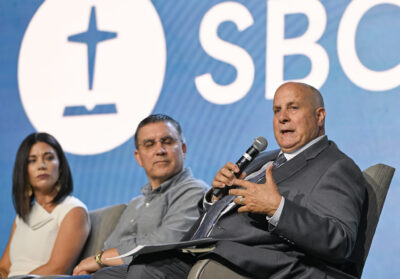 State and federal officials, survivors, and ministry leaders gathered at the 2026 SBC Annual Meeting to move Southern Baptist churches from awareness to action on child abuse, sexual exploitation, and human trafficking. She was going to church the entire time it was happening. That was the disclosure Olivia Littleton, senior director of Survivor Services for One More Child, made to a room full of Southern Baptist pastors and ministry leaders at the 2026 SBC Annual Meeting. A survivor of sexual exploitation herself, Littleton made the point with quiet precision: the children the Church is trying to protect may already be sitting in its pews.